Secure Power, Swift Connections
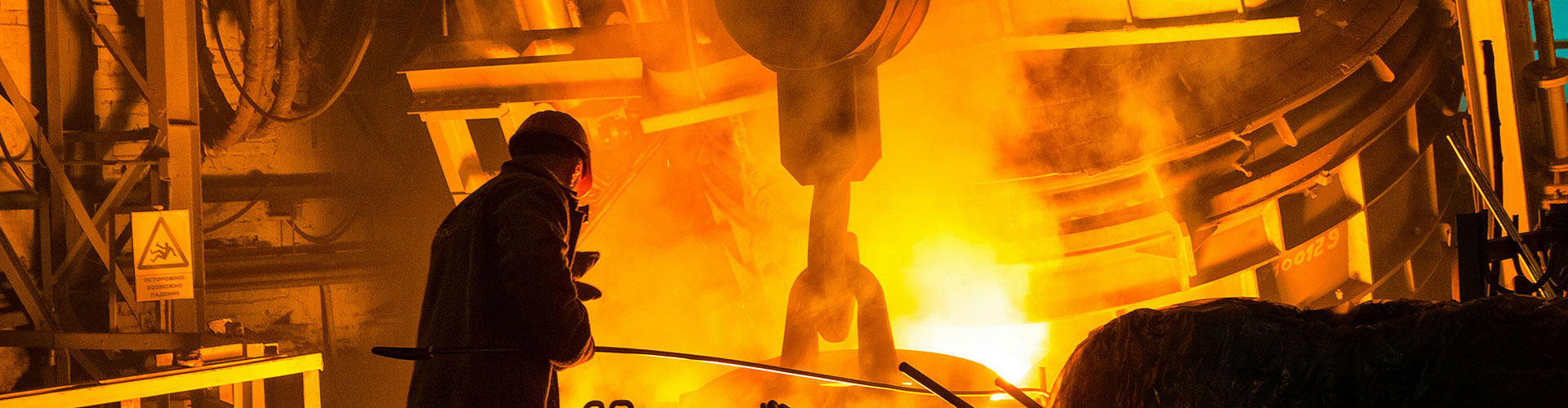
En el campo metalúrgico, los bloques de terminales deben adaptarse a altas temperaturas, polvo, vibraciones y ambientes corrosivos. Las soluciones se pueden desarrollar en torno a cuatro dimensiones principales: selección de materiales, tecnología de procesamiento, optimización del rendimiento e inspección de calidad:

Highly conductive and heat-resistant copper alloys (such as brass C3604 and phosphor bronze C5191) are preferred, with conductivity exceeding 50% IACS and tensile strength ≥ 300 MPa, enabling them to withstand operating temperatures above 150°C common in metallurgical equipment. For highly corrosive scenarios (e.g., hydrometallurgy), nickel plating (thickness ≥ 5μm) or tin plating (thickness ≥ 8μm) is applied to enhance salt spray resistance to over 500 hours. Terminals in high-temperature areas use silver-clad copper, with oxidation resistance up to 300°C.

The terminal body is manufactured using cold heading forming to reduce internal material stress, ensuring structural precision (tolerance ≤ ±0.02mm). Threads are formed via rolling to avoid strength loss from cutting, achieving a thread precision of 6g. For high-current terminals (≥100A), integrated forging eliminates welding seams, reducing contact resistance to ≤ 10mΩ.

eat treatment (e.g., aging treatment for copper alloys) increases terminal hardness to HV120-150, enhancing vibration resistance (meeting IEC 60068-2-6 standard for 10-500Hz vibration testing). Contact surfaces undergo ultrasonic cleaning and passivation to remove oxides and impurities, ensuring a plug-in lifespan of ≥ 5000 cycles. For dusty environments, terminal housings feature IP65 sealing with silicone gaskets to block contaminants.

Raw materials undergo spectral analysis to verify composition (e.g., copper purity ≥ 99.9%). Post-processing tests include salt spray testing and temperature rise testing (temperature rise ≤ 60K under current load). Finished products undergo vibration and impact testing simulating metallurgical conditions (complying with IEC 60068-2-27) and X-ray flaw detection to check for internal cracks, ensuring a per-batch qualification rate of ≥ 99.5%. These solutions ensure stable electrical conduction and signal transmission of terminal blocks in metallurgical equipment (e.g., smelting furnaces, rolling mills, conveyor systems) and reduce maintenance frequency by over 30%.